Most homeowners can list the spots in their home that lose heat. Usually, they include drafty windows, an under-insulated attic, and exterior doors with worn weatherstripping. But there’s one spot that quietly costs you money every Manitoba winter, and most people don’t even know it has a name.
It’s called the rim joist, and if yours isn’t properly insulated and air sealed, you’re paying for it on every energy bill.
What Is a Rim Joist?
Walk down to your basement and look up at the spot where your foundation meets the wood framing of your house. That wooden band running around the perimeter, sitting on top of the concrete or block wall, is the rim joist (sometimes called a band joist).
In older Manitoba homes, this area is often left bare or only stuffed with a thin piece of fiberglass batt. That’s a problem, because the rim joist is one of the thinnest, leakiest parts of the entire building envelope.
Why Rim Joists Lose So Much Heat
A few things make rim joists particularly bad for energy loss:
- They’re typically just a single piece of dimensional lumber between your heated basement and the outside air.
- They have gaps everywhere from settling, framing seams, and holes drilled for plumbing, wiring, and dryer vents.
- Warm air naturally rises and pushes out through any opening near the top of a heated space, which is exactly where the rim joist sits.
Energy auditors will often point to rim joists as one of the biggest sources of air leakage in a typical home. In a Manitoba winter, that means cold drafts in your basement, frost forming around floor joists, and your furnace running harder than it needs to.
How to Fix Them
This is one area where the type of insulation really matters.
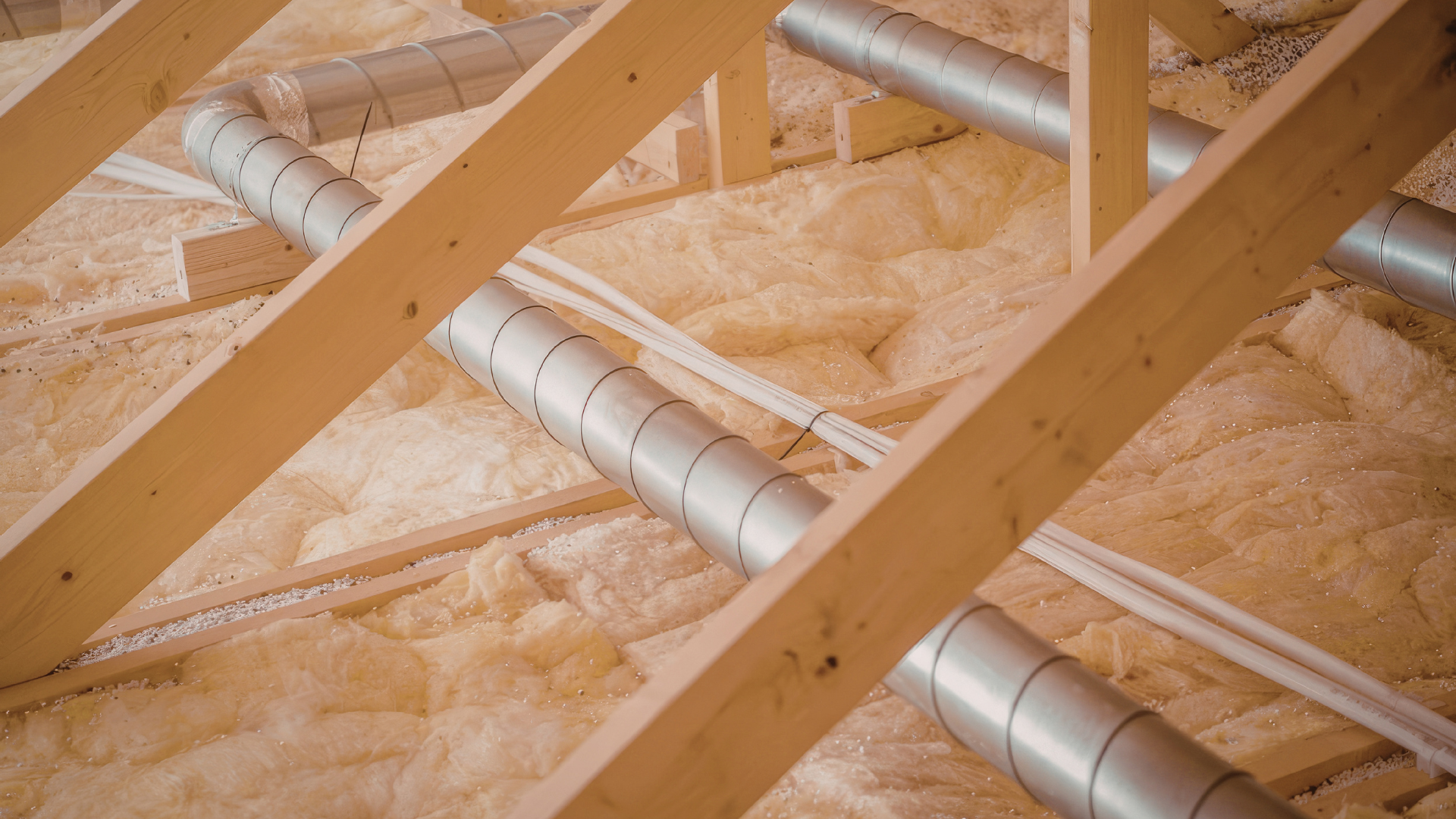
Fiberglass batts, while inexpensive, do almost nothing to stop air leakage. They can also trap moisture against the cold rim joist, which leads to mould and rot over time.
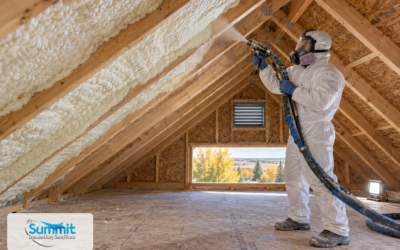
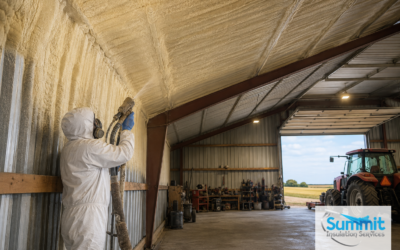
Closed-cell spray foam is the gold standard for rim joists. It does three things at once:
- Insulates with a high R-value per inch
- Creates an air seal so cold air can’t sneak through gaps
- Acts as a vapour barrier to protect the wood from moisture
Two to three inches of closed-cell spray foam around the perimeter of your basement is usually enough to transform a cold, drafty basement into a comfortable space.
Is It Worth Doing on Its Own?
Yes. Rim joist insulation is often bundled into a basement renovation, but it’s also a worthwhile standalone project. The job typically takes less than a day for a professional crew, and the impact on basement comfort and energy bills is significant for the cost.
If you’ve ever felt a cold draft near your basement ceiling or noticed frost or condensation along the top of your foundation in January, your rim joists are telling you something.
Talk to Summit Insulation Services About Your Rim Joists
We specialize in sealing up the spots most contractors overlook. If you’re in Gretna or anywhere in southern Manitoba, give us a call, and we’ll take a look at your basement to see what’s costing you money.