Moisture is one of the biggest enemies of a well-insulated home in Gretna. Even the best insulation materials can lose their performance if they get wet. Understanding how condensation forms, how moisture affects insulation, and what you can do to prevent it can help you protect your investment and keep your home comfortable year-round.
Why Moisture Is a Problem
Insulation works by trapping air pockets that slow down the transfer of heat. When moisture enters those pockets, it displaces the air and reduces the insulation’s ability to do its job. Wet insulation becomes heavier, loses its R-value, and can lead to structural damage or mould growth if left untreated.
Condensation is a common culprit. It happens when warm indoor air meets a cold surface (like an uninsulated wall or attic space), and water vapour turns into liquid. In the right conditions, that moisture can seep into your insulation, framing, or drywall.
5 Common Causes of Moisture Issues
Moisture problems can come from several sources:
- Poor ventilation in attics or crawl spaces allows humid air to build up, creating condensation and damp conditions.
- Leaky roofs, windows, or foundations let rainwater and melted snow seep into walls or insulation, causing long-term damage.
- Missing vapour barriers leave your home vulnerable to moisture moving through walls and ceilings, especially in humid areas.
- Air leaks that let warm, humid air enter cold areas cause condensation when the temperature drops, leading to wet insulation.
- Plumbing leaks hidden behind walls or under floors introduce a steady source of moisture that often goes unnoticed until damage appears.
When these issues happen together, they create damp insulation, mould growth, and higher energy bills.
How to Spot the Warning Signs
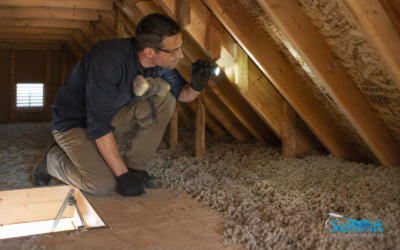
You may not always see moisture right away, but there are clues. Watch for musty smells, dark spots on walls or ceilings, uneven temperatures between rooms, or insulation that feels heavy or clumped.
If you notice frost forming in your attic during winter, that’s another clear sign that warm air is escaping and causing condensation.
How to Prevent Insulation Failure
Prevention starts with a professional inspection.
A qualified insulation contractor can identify problem areas and recommend solutions such as:
- Installing or upgrading vapour barriers
- Improving ventilation to control humidity
- Air sealing around windows, doors, and electrical outlets
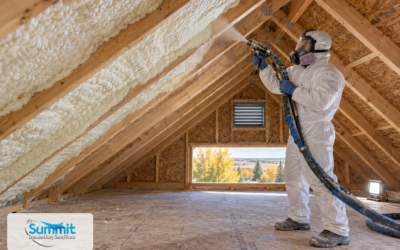
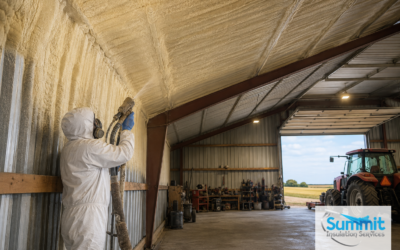
- Using moisture-resistant materials like closed-cell spray foam
Closed-cell spray foam is particularly useful because it acts as both an insulator and a moisture barrier, sealing out air and water at the same time.
Protect Your Home for the Long Term
Moisture damage can shorten the lifespan of your insulation and create costly repairs. A little preventive maintenance today can save you major headaches later.
If you suspect your insulation isn’t performing as it should, contact Summit Insulation Services today. Our experienced team can inspect your home, identify problem areas, and recommend the right solutions to keep your insulation dry and effective. We’ll help you protect your home and keep it comfortable through every season.