Manitoba winters are long, cold, and demanding on homes.
If your insulation isn’t up to snuff, you feel it immediately. Cold floors, drafty rooms, and rising heating bills are often signs that air is escaping through gaps you cannot see.
In Gretna, spray foam insulation has become a popular option because it addresses both insulation and air sealing in one application.
Heat Loss in Manitoba Homes
Heat naturally moves from warm areas to cold ones. During winter, that means indoor heat tries to escape through your attic, walls, basement, and crawl space.
In prairie climates, prolonged cold amplifies this process. The greater the temperature difference between indoors and outdoors, the faster heat transfers through weak points in the building envelope.
That constant heat movement forces furnaces to cycle more often, increasing wear and energy use.
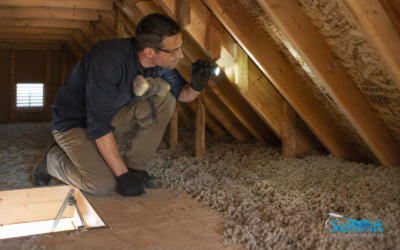
Traditional batt insulation can help slow that process. However, if there are gaps, compression, or areas where insulation has shifted over time, warm air still finds pathways out.
Air leakage commonly occurs around wiring penetrations, plumbing stacks, attic hatches, and sill plates.
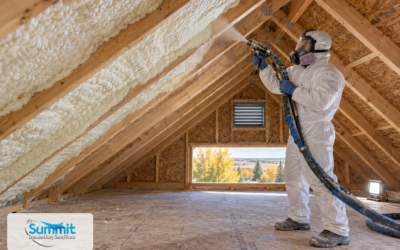
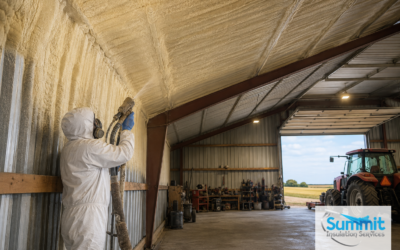
Spray foam insulation expands after application, filling cracks and small openings. That expansion creates a continuous air barrier that reduces drafts and helps maintain steady indoor temperatures. It also limits uncontrolled airflow that contributes to uneven heating between rooms.
Moisture Control Matters
Prairie climates also deal with major temperature swings. Although summer’s scorching hot days feel like a distant memory right now, they’ll be back before we know it.
That constant shift from extreme cold to intense heat places stress on building materials throughout the year. Expansion and contraction, combined with changing humidity levels, can expose weaknesses in insulation systems.
In winter, when warm indoor air meets cold exterior surfaces, condensation can form. That moisture often develops inside wall cavities, along attic sheathing, or around rim joists where temperature differences are most pronounced.
Over time, trapped moisture can contribute to mould growth, wood deterioration, and a gradual decline in insulation performance. Even small amounts of repeated condensation can create long-term issues if airflow is not controlled.
Spray foam insulation helps limit air movement, which reduces the chance of condensation forming inside wall cavities and attic spaces.
Because it creates an air seal along with thermal protection, it helps stabilize interior conditions during both winter cold snaps and humid summer stretches.
For many Gretna homeowners, this added moisture control is just as important as thermal performance.
Long-Term Energy Performance
While upfront costs may be higher than some traditional materials, spray foam insulation often delivers long-term value through improved energy efficiency.
Homes that are properly sealed tend to require less heating energy. That can mean lower utility bills and a more comfortable interior year-round.
If you are building, renovating, or upgrading insulation in Gretna, considering climate-specific performance is important.
Spray foam insulation is designed to handle Manitoba’s challenging weather conditions, making it a strong option for long-term comfort and durability.
Do you have questions about insulation and what the best kind would be for your home or business? We’re here to help! Call us today for an expert assessment.