For many homeowners, builders, and property owners around Gretna, the garage or workshop is more than a place to park a vehicle. It might be where tools are stored, projects get finished, equipment is maintained, or seasonal items are protected from Manitoba’s changing weather.
But if that space is uninsulated or poorly sealed, July is often when the problem becomes obvious. The garage feels hot and stuffy during the day, humid after a storm, and hard to keep comfortable if you use it as a workspace. Then, a few months later, the same building becomes cold, drafty, and expensive to heat.
That is why summer is a smart time to think ahead. Spray foam insulation can help turn a garage or workshop into a more comfortable, efficient, and usable space before fall and winter arrive.
Garages and Workshops Take a Beating from Manitoba Weather
In southern Manitoba, buildings deal with wide seasonal swings. A garage or shop near Gretna, Altona, Winkler, Morris, Morden, or Emerson may face summer heat, prairie winds, heavy rain, freezing winter temperatures, and spring moisture.
Those conditions expose weak spots in the building envelope, especially around:
- Wall framing
- Rooflines and ceilings
- Rim joists
- Overhead door framing
- Gaps around wiring or penetrations
- Shared walls between the garage and home
If air can move freely through those gaps, so can heat, cold, dust, and moisture. Traditional insulation can help slow heat transfer, but it does not always stop air leakage. That is where spray foam insulation has a major advantage.
Why Spray Foam Works Well in Garages and Shops
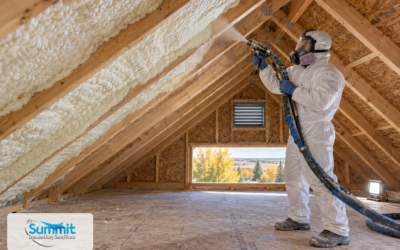
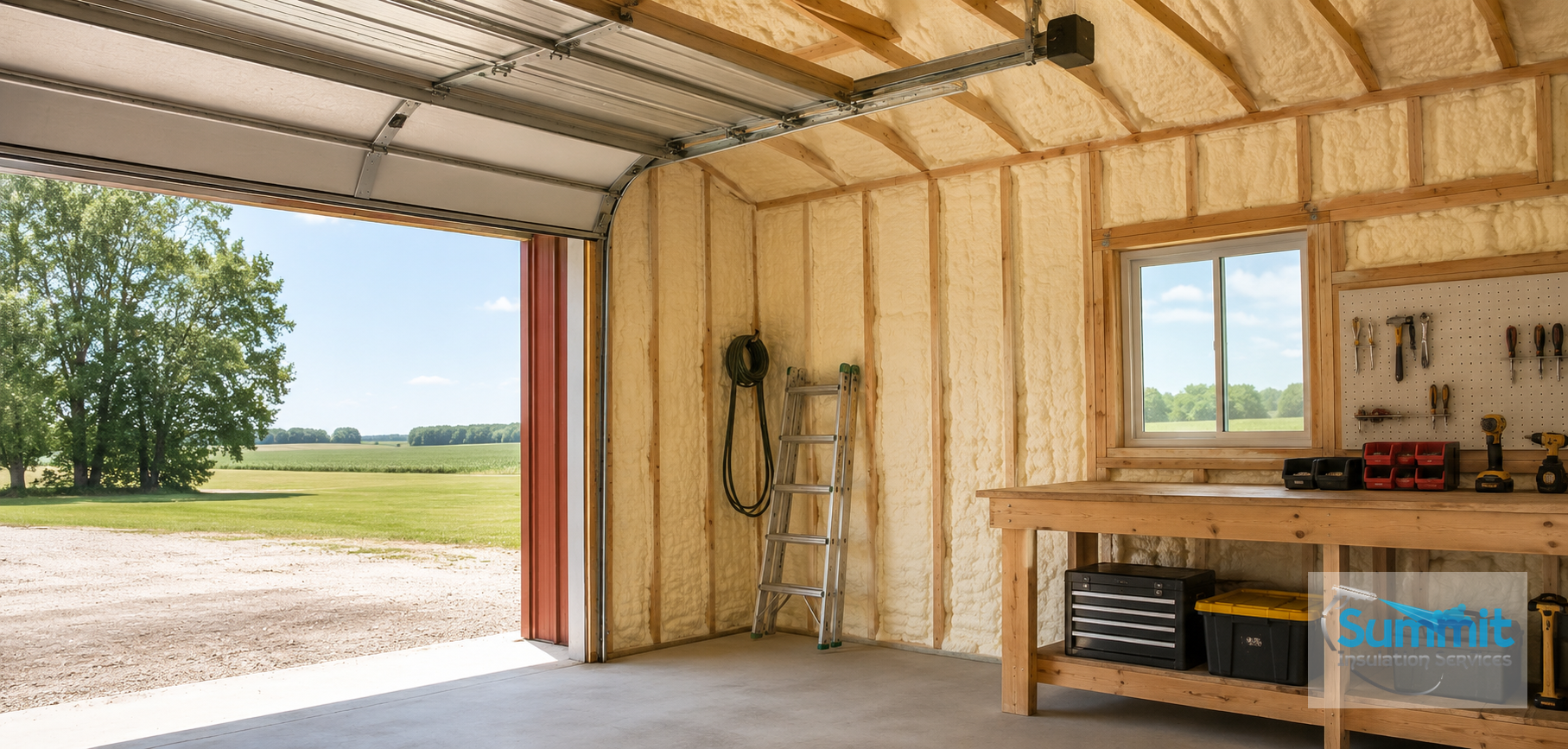
Spray foam expands into cracks, corners, and irregular spaces, creating a tight seal that helps block unwanted air movement. In garages and workshops, that matters because these buildings often have open framing, exposed rooflines, and plenty of small gaps that are easy to miss.
Closed-cell spray foam is especially useful when moisture resistance, durability, and strong thermal performance are priorities. It can help reduce drafts, support more consistent indoor temperatures, and protect the space from some of the moisture-related problems that come with humid summers and cold winters.
For a workshop, that can mean a more comfortable place to work. For a garage, it can mean better protection for tools, stored items, and vehicles. For an attached garage, it may also help reduce the impact that hot or cold garage air has on nearby living spaces.
Summer Installation Helps You Get Ahead of Winter
Many people wait until the first cold snap to think about insulation. By then, contractors are busier, the weather is less forgiving, and the problem has already started affecting comfort and energy use.
July gives you a chance to plan ahead. Insulating during summer can help you prepare your garage or workshop before the heating season begins. It also gives you time to address related details, such as ventilation, interior finishing, or overhead door weatherstripping.
If your garage becomes unbearably hot in summer or difficult to heat in winter, the issue is often the same: the space is not properly sealed and insulated. Spray foam helps address both concerns at once.
Attached Garages Deserve Extra Attention
An attached garage can influence the comfort of the home beside it. If the shared wall, ceiling, or rim joist area is poorly insulated, temperature swings in the garage can affect adjacent rooms. Bedrooms over garages, mudrooms, and main-floor spaces next to the garage are common trouble spots.
Spray foam can be a strong option in these areas because it fills gaps that batt insulation may leave behind. That air sealing can help reduce drafts, cold floors, and uneven temperatures in rooms connected to the garage.
Rural Shops and Farm Buildings Benefit Too
Around Gretna and the surrounding communities, many properties include detached shops, equipment buildings, and farm workspaces. These buildings often need to stay functional through long winters, especially when they are used for repairs, storage, or agricultural work.
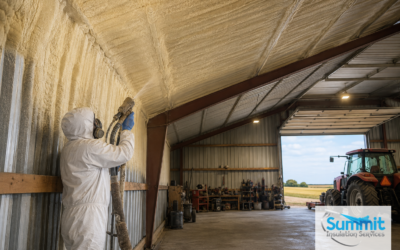
Spray foam insulation can help create a more stable indoor environment while reducing the amount of heating needed to keep the space usable. For metal buildings, framed shops, and agricultural structures, proper insulation also helps manage condensation and moisture concerns.
What to Check Before Insulating
Before adding spray foam, it is worth looking at how the building is used and where insulation will have the biggest impact. Key questions include:
- Is the garage attached or detached?
- Will the space be heated in winter?
- Are the walls, ceiling, or roofline exposed?
- Is there moisture, condensation, or staining?
- Are tools, equipment, or stored materials being affected by temperature changes?
- Will the interior be finished after insulation is installed?
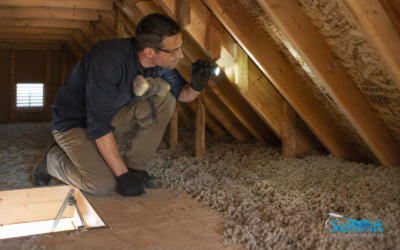
A professional assessment can help determine the right approach for your specific building.
Make Your Garage or Workshop More Usable Year-Round
A garage or workshop should not be a space you avoid during the hottest and coldest months of the year. With the right spray foam insulation, it can become more comfortable, more efficient, and better protected from Manitoba’s demanding climate.
If you are in Gretna or the surrounding area and want to improve a garage, shop, or agricultural workspace, contact Summit Insulation Services to discuss the right spray foam solution for your project.