If you’ve recently paid for insulation for your home, you might be surprised when you get a quote for agricultural insulation in Gretna.
Residential vs. Agricultural Insulation Prices
At first glance, insulation may seem like a straightforward upgrade. But the truth is, agricultural buildings present a very different set of challenges that directly influence pricing.
Size and Scale Change Everything
Agricultural buildings are often considerably larger than homes.
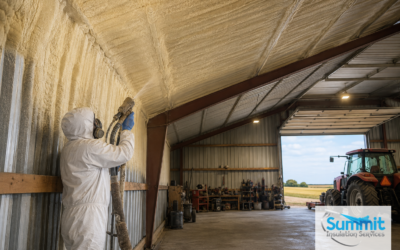
Larger surface areas mean more materials, more labour, and longer installation times. High ceilings, wide spans, and open layouts also require specialized equipment and application techniques.
Even simple barns can demand far more insulation coverage than a typical house.
Building Use Dictates Performance Requirements
Homes are designed primarily for human comfort. Agricultural buildings must meet a wide range of functional needs, including temperature stability, moisture control, and protection for equipment, crops, or livestock.
Buildings that house animals often require tighter air sealing and moisture resistance to manage humidity and condensation.
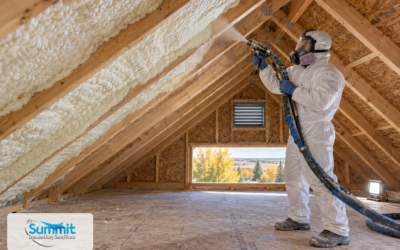
Spray foam insulation is frequently used in these environments because it creates an air-tight seal and resists moisture better than many traditional materials.
Structural Complexity and Accessibility
Agricultural structures vary widely in construction. Steel buildings, pole barns, older wood-frame structures, and retrofitted spaces all present different installation challenges.
Hard-to-reach areas, irregular framing, and existing equipment can slow installation and increase labour requirements. These factors rarely apply in residential settings to the same extent.
Material Selection Impacts Cost
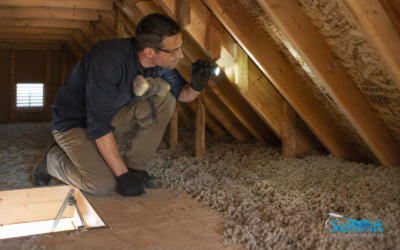
While fibreglass or rigid board insulation may be suitable for some applications, many agricultural buildings benefit from higher-performance materials.
Spray foam insulation offers superior air sealing, thermal resistance, and durability, but it requires specialized equipment and trained installers.
The upfront cost may be higher, but the performance benefits often justify the investment in demanding environments.
Long-Term Value Matters More Than Initial Price
Agricultural insulation is not just about immediate comfort. It affects energy efficiency, equipment protection, animal health, and maintenance costs over time.
Cheaper insulation solutions that fail to manage moisture or air movement can lead to higher operating costs and premature repairs.
Working With an Experienced Local Insulation Contractor in Gretna
If you’re considering insulating a barn, shop, or agricultural building, working with a knowledgeable contractor ensures the solution is built for long-term use rather than short-term savings.
Give us a call today for hands-on guidance.