March on the Prairies is a strange in-between time. The worst of winter is loosening its grip, but the heating bills from the past few months are still fresh in mind. For Manitoba homeowners, that combination makes this one of the most useful moments of the year to take an honest look at how your home actually performed.
Not in terms of whether you stayed warm enough, but in terms of what it cost you to get there.
What Your Heating Season Results Are Telling You
The most straightforward indicator of insulation performance is your heating bill, and not just the total amount. The pattern matters as much as the number.
If your bills spiked sharply during the coldest stretches of January and February, that often reflects a home that struggles to retain heat when outdoor temperatures fall well below freezing.
A well-insulated home maintains its interior temperature more consistently, so the heating system runs in shorter, more efficient cycles rather than continuously compensating for heat escaping through the building envelope.
Homeowners who noticed significant drafts near exterior walls, cold floors, or uneven temperatures between rooms are seeing the same problem from a different angle.
These are signs that air is moving through the building where it shouldn’t be and that the insulation has gaps.
The Cost of Another Season Without an Upgrade
One of the reasons insulation upgrades get deferred year after year is that the cost of not upgrading is spread out in a way that feels manageable. An extra $80 or $100 on a single heating bill doesn’t feel catastrophic.
But across a five-month Manitoba heating season, that pattern adds up quickly.
A home losing a meaningful percentage of its heat through an under-insulated attic, rim joists, or crawl space is essentially running its heating system at a significant deficit every single day of winter.
The system works harder, components wear faster, and the home never quite reaches the level of comfort that proper insulation would provide.
Spring is when that calculation becomes visible.
The bills are in, the season is ending, and there’s enough time before next winter to address the gaps properly rather than reactively.
What a Post-Season Assessment Looks At
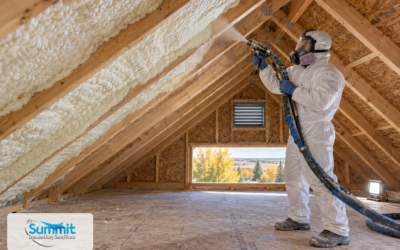
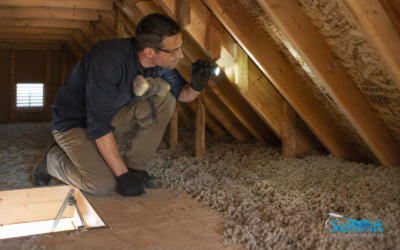
A professional insulation assessment at the end of the heating season focuses on the areas most likely to have underperformed. Attic insulation is typically the starting point, since heat loss through the ceiling is one of the highest contributors to overall energy waste in Prairie homes.
Rim joists, the framing that sits at the top of foundation walls, are another common weak point. In older Manitoba homes in particular, these areas are frequently uninsulated or were insulated with materials that have compressed or degraded over time.
Air sealing is assessed alongside insulation coverage, because gaps that allow air movement significantly reduce the performance of even adequate insulation.
A home that is insulated but not properly sealed will still lose heat and allow cold air infiltration throughout the winter.
Get Started on Your End-of-Season Insulation Assessment in Gretna
Booking an assessment in spring means any identified work can be completed during the warmer months, giving upgrades time to settle and perform before the next heating season begins.
If this past winter left you with higher bills, uneven temperatures, or persistent drafts, those are worth investigating now rather than carrying the same problems into another year.
Call now so we can help!