Many of the most serious safety risks inside a home develop out of sight. Attics, wall cavities, and ceiling spaces don’t often get a lot of attention unless something obvious goes wrong.
When Gretna insulation or electrical wiring becomes chewed or damaged, the issue often progresses quietly, increasing risk long before a visible problem appears.
This type of damage affects far more than comfort or energy use. It can directly compromise electrical safety, indoor air quality, and the overall integrity of a home’s systems.
Fire Risks Linked to Damaged Wiring
Electrical wiring is designed with protective insulation that prevents heat buildup and accidental contact with surrounding materials.
When that protective layer is damaged, wires can overheat or spark under normal electrical loads. In attic spaces, where wiring often runs close to insulation and framing, this creates an elevated fire risk.
Cold seasons increase this danger.
Heating systems, space heaters, and appliances draw more power, placing additional stress on already compromised wiring. Even a small section of exposed wire can arc or smoulder without triggering immediate alarms.
Read about pests’ involvement in attic fires and similar issues here.
Why Compromised Insulation Makes Electrical Issues Worse
Insulation plays a secondary but important role in electrical safety. It helps stabilize temperatures around wiring and prevents contact with framing hardware, ductwork, or metal fasteners.
When insulation is torn, displaced, or missing, wires may shift into unsafe positions.
Over time, vibration, temperature changes, and airflow can worsen this movement.
Friction and heat accumulation slowly degrade wiring further, increasing the chance of short circuits or breaker failures.
Indoor Air Quality and Material Exposure
Damaged insulation also affects the air moving through a home.
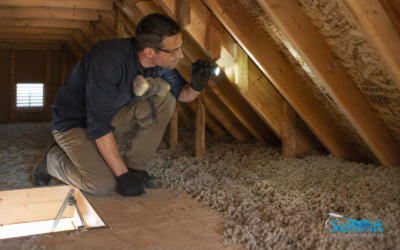
When insulation breaks apart, fibres and debris can enter circulation paths. Pressure differences caused by heating systems may pull these particles into living areas through small gaps, vents, or ceiling penetrations.
Prolonged exposure to insulation particles can irritate respiratory systems and contribute to uncomfortable indoor conditions.
These effects are often gradual, making them easy to overlook or misattribute to seasonal allergies.
Early Warning Signs Homeowners Often Miss
Electrical and insulation damage rarely announces itself clearly. Flickering lights, warm outlets, unexplained breaker trips, or faint burning odours are sometimes brushed off as minor electrical quirks.
In reality, they may point to deeper issues hidden behind walls or above ceilings.
Because these signs tend to appear intermittently, homeowners may delay investigation until the situation worsens.
Contact Us for Help
Repairing surface damage does not resolve underlying safety risks.
A thorough assessment examines wiring condition, insulation coverage, heat exposure, and airflow patterns. In many cases, damaged materials must be removed and replaced to restore safe separation between electrical components and surrounding spaces.
Home safety depends heavily on systems that remain out of sight. Addressing insulation and wiring damage early helps reduce the risk of fire, electrical failure, and long-term exposure issues.
Summit Insulation Services is here to assist Gretna residents with their insulation needs. Whether you need an assessment for your home or a commercial property, we’re here to help. Call now!