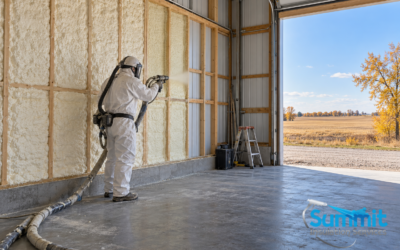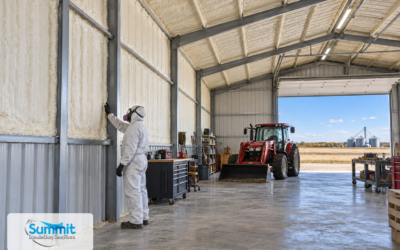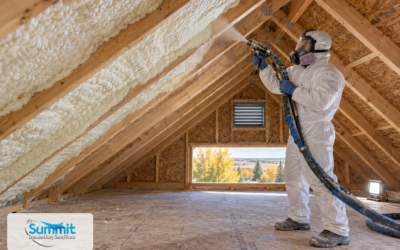
Planning spray foam insulation before winter is easier when the preparation starts before the first hard freeze. For homeowners in Gretna, that usually means identifying the rooms and surfaces that underperformed last winter, making sure the work area is dry and accessible, and arranging any electrical, ventilation, or repair work that should happen before insulation is installed.
The goal is not to spray foam everywhere. It is to find the parts of the building envelope where uncontrolled air movement and weak insulation coverage are affecting comfort, then choose an assembly that suits the space. A professional assessment can help separate an insulation problem from a roof leak, plumbing issue, ventilation concern, or another condition that needs a different fix.
Why Plan a Spray Foam Project Before Cold Weather Arrives?
Late summer and early fall give Manitoba homeowners a useful planning window. The memories of last winter’s cold floors and drafty rooms are still fairly clear, while attics, basements, garages, and crawl spaces may be easier to inspect and prepare.
Starting early also leaves time for the steps that often come before insulation: repairing a leak, moving stored belongings, having electrical work completed, or coordinating with a renovation contractor. When temperatures drop, these unfinished details can turn an otherwise straightforward project into a rushed one.
If you are hoping to improve comfort before heating season, schedule the assessment first. The installer can identify the likely work area and tell you which preparation tasks are actually necessary for your home.
1. Write Down What You Noticed Last Winter
A useful spray foam assessment begins with the way the home behaves, not only with a quick look at the existing insulation. Before the appointment, make a short list of the problems you noticed during cold weather:
- Rooms that stayed colder than the rest of the house
- Cold floors above the basement, crawl space, or attached garage
- Drafts near baseboards, attic hatches, or exterior-wall penetrations
- Frost or condensation in the attic or near rim joists
- Musty odours, staining, or insulation that looked damp or disturbed
- A heating system that seemed to run often while comfort remained uneven
These clues do not prove that spray foam is the answer, but they give the contractor a better starting point. They can also help narrow the inspection to the attic floor, roofline, rim joists, foundation walls, crawl space, garage ceiling, or another specific assembly.
2. Make Sure the Area Is Dry Before It Is Sealed
Insulation should not be used to hide an active water problem. Roof leaks, plumbing leaks, foundation seepage, and persistent condensation need to be understood before new material covers the surface.
Look for water stains, darkened wood, rusted fasteners, damp insulation, peeling finishes, or a musty smell. If you find evidence of moisture, tell the insulation contractor before installation day. A roofing, plumbing, drainage, or ventilation repair may need to happen first.
This matters because air sealing changes how air and moisture move through a building assembly. Spray foam can be valuable in the right location, but the product and application need to suit the conditions of that attic, wall, basement, or crawl space. The assessment should consider moisture control and ventilation along with thermal performance.
3. Clear Access to the Work Area
The crew needs a safe route from the entry door to the application area. Good access also helps the installer see the full surface, protect nearby finishes, and complete the work without moving the homeowner’s belongings.
For an attic, remove boxes and personal items near the hatch and clear a path through the room below. For a basement or crawl space, move storage away from exterior walls, rim joists, mechanical equipment, and access openings. In a garage, clear vehicles, shelving contents, and tools from the planned work zone.
A few practical steps can make the day run more smoothly:
- Ask how much clearance the crew needs around the work surface
- Identify fragile finishes, wiring, plumbing, and fixtures in advance
- Arrange a clear driveway or parking area for the crew and equipment
- Keep children and pets away from the work zone
- Confirm who will move old insulation or dispose of removed material, if removal is part of the scope
Do not remove insulation, open electrical equipment, or disturb suspect materials unless the project plan specifically assigns that work to a qualified person. The contractor should explain what can remain in place and what must be handled before the crew arrives.
4. Coordinate Electrical, Ventilation, and Renovation Work
Insulation works best when it is installed in the correct sequence. If an electrician needs to add wiring, replace a recessed light, or relocate a junction box, that work usually needs to be planned before the cavity is insulated. The same is true for new plumbing lines, exhaust ducts, attic ventilation details, and framing repairs.
Tell the insulation contractor about future renovations too. If you expect to replace a window, finish a basement, rebuild part of the roof, or alter a wall, the planned work may change where spray foam should be applied and which surfaces need to remain accessible.
Air sealing can also make a home tighter. That is often part of the purpose, but ventilation and fuel-burning equipment still need to operate properly. Ask whether the proposed work affects attic ventilation, bathroom or kitchen exhaust, fresh-air systems, chimneys, or combustion appliances. The right answer depends on the house and the project scope.
5. Plan for Installation-Day Safety and Re-Entry
Spray foam insulation is installed by trained professionals using specialized equipment and protective gear. Homeowners should follow the contractor’s instructions about access during application, ventilation, and when people and pets may return to the work area.
Before the project date, confirm:
- Which rooms or areas will be restricted
- Whether the home must be vacant during application
- How the work area will be isolated and ventilated
- What belongings need to be removed or covered
- When occupants and pets may safely re-enter
- What inspection or cleanup will happen before the job is considered complete
Products, application conditions, and project sizes vary, so use the instructions provided for your specific installation. A reputable contractor should be able to explain the plan clearly before work begins.
6. Ask What the Assessment Will Cover
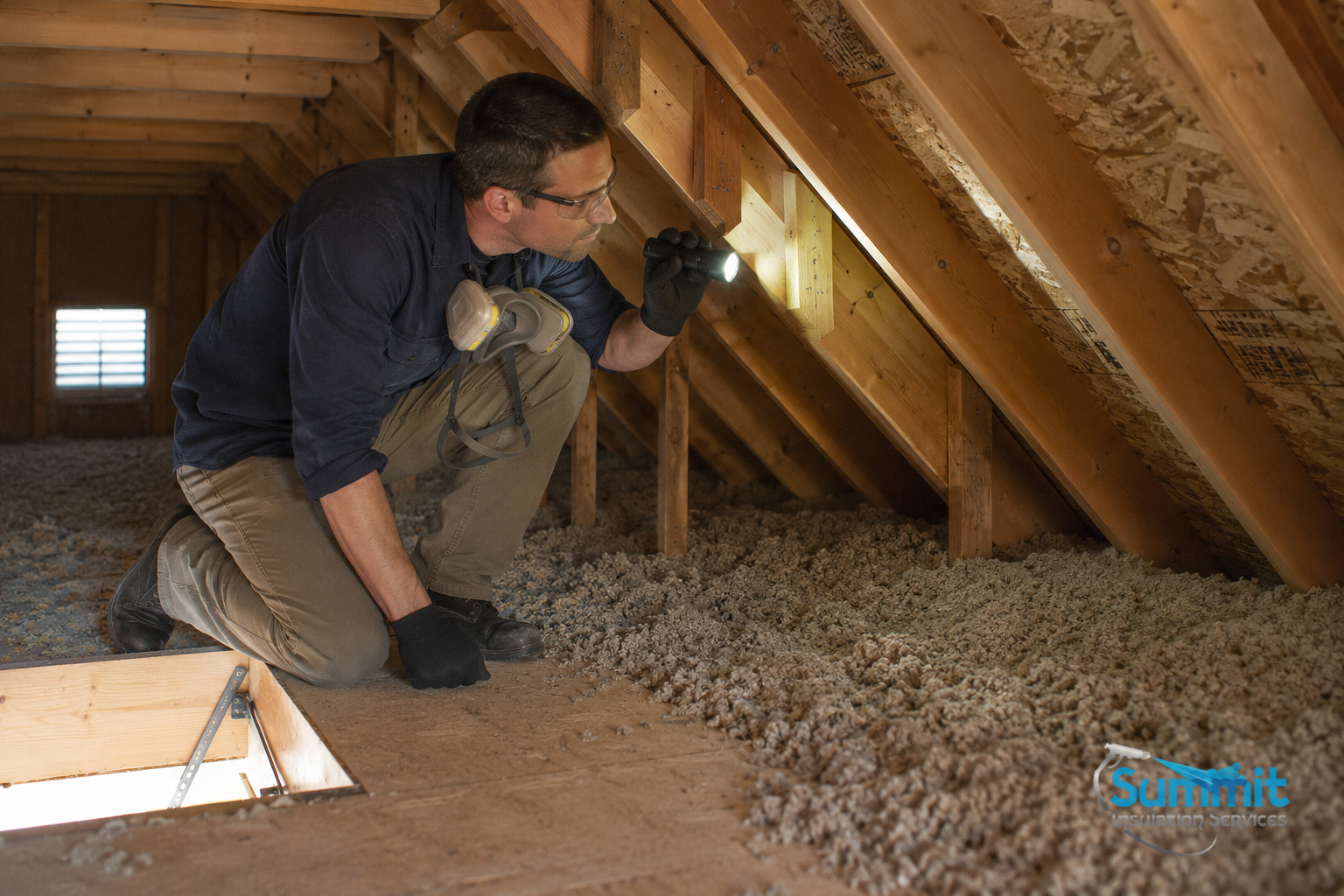
A useful assessment should look beyond the thickness of the existing insulation. It may include accessible signs of air leakage, gaps at penetrations, compressed or displaced insulation, cold surfaces, moisture evidence, ventilation details, and transitions between conditioned and unconditioned spaces.
Ask the contractor to explain:
- Which building assembly is causing the concern
- Why spray foam is being recommended for that location
- What surface preparation or removal is required
- Which type of spray foam suits the proposed assembly
- How adjacent ventilation, wiring, and mechanical systems will be protected
- Which parts of the home are included in the quote
The answer may be a focused project rather than a whole-home application. Sealing rim joists, addressing a problematic garage ceiling, or improving a specific attic or roofline assembly can sometimes be more logical than opening finished walls that are not causing trouble.
What Spray Foam Can Address in an Existing Home
Spray foam expands during application and conforms to irregular surfaces, allowing it to insulate while limiting air movement through small gaps and joints. That combination makes it useful in many retrofit areas where rigid materials or batts are difficult to fit continuously.
Depending on the product, thickness, surface, and assembly, spray foam may also support moisture or vapour control. Those details are not interchangeable from one house to the next. Open-cell and closed-cell products behave differently, and local code requirements, indoor conditions, and the location within the building envelope all matter.
That is why preparation begins with diagnosis. The best project is not the one that uses the most material; it is the one that addresses the right surface and fits with the rest of the home’s moisture, ventilation, and renovation plan.
Prepare Now for a More Comfortable Manitoba Winter
If last winter brought cold rooms, drafts, condensation, or uncomfortable floors, August is a practical time to investigate the cause. Start by recording the symptoms, checking for moisture, and clearing access to the likely work areas. Then have the building envelope assessed before deciding where spray foam belongs.
Summit Insulation Services helps homeowners in Gretna and the surrounding area evaluate insulation and air-sealing concerns in Manitoba homes. Contact Summit Insulation Services to discuss the areas that felt uncomfortable last winter and plan the next steps before cold weather returns.