Living in Manitoba means dealing with extreme temperatures: frigid winters, humid summer days, and strong prairie winds. If your home feels uncomfortable, no matter the season, or your energy bills seem unusually high, poor insulation could be the cause.
We often hear homeowners say, “I thought that was just normal for our area!” But many of these issues are entirely preventable with proper insulation.
How to Tell if Your Home is Under-Insulated
Here are five key signs your home may be under-insulated and what you can do about it.
1. Uneven Room Temperatures
Some rooms feel warm and cozy, while others stay stubbornly cold. This inconsistency is a clear sign that your home isn’t retaining heat or cool air effectively.
Poor attic or wall insulation allows air to move freely between areas, causing certain rooms, especially those over garages or in upper floors, to feel noticeably different from the rest of the house. Insulating these trouble spots can dramatically improve your home’s overall comfort.
2. Sky-High Energy Bills
Heating and cooling costs rise sharply when your HVAC system has to work overtime. If your energy bills keep climbing and your usage hasn’t changed, your insulation may be to blame. Gaps in your attic or walls allow heated or cooled air to escape, making your furnace or air conditioner run much longer than necessary.
When you upgrade your insulation, you reduce energy waste and lower your monthly utility bills simultaneously.
3. Cold Floors and Drafty Hallways
Have you ever stepped out of bed onto an icy floor even with the heat running? Floors, especially those above uninsulated crawl spaces or basements, often lack proper insulation. Drafts around baseboards, window frames, or electrical outlets are another sign of air leakage.
Insulating these areas can make a noticeable difference in how your home feels and how much energy you use.
4. Ice Dams and Attic Frost
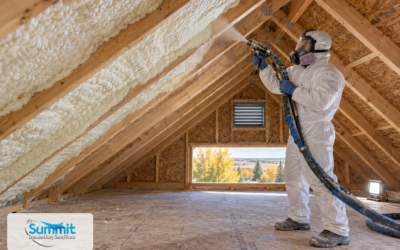
During the winter months, warm air escaping through your roof can cause snow to melt unevenly. This melted snow then refreezes at the eaves, forming ice dams that damage shingles, gutters, and even interior ceilings. Attic frost is another clue that warm air is escaping and condensing in your attic.
These problems are preventable with better attic insulation and air sealing.
5. Long Run Times for Heating or Cooling Systems
If your furnace or AC seems to run constantly but your home still isn’t reaching the right temperature, poor insulation may be to blame. When your home isn’t properly sealed and insulated, conditioned air quickly escapes, forcing your HVAC system to cycle more often than it should.
Not only does this increase your energy bills, but it also shortens the lifespan of your equipment.
Don’t Ignore the Warning Signs
Under-insulation affects not only your comfort but also your energy costs and your home’s long-term durability. At Summit Insulation Services, we specialize in identifying insulation gaps and recommending the best solutions.
Our experienced team can assess your current insulation and suggest upgrades that make your home more comfortable, more efficient, and better protected from Manitoba’s extreme weather.
If any of these signs sound familiar, reach out to us for a free insulation assessment. Your home should be a place of comfort, not constant temperature battles. Let us help you stay warm in the winter, cool in the summer, and save money all year long.