When the snow finally starts to disappear in Manitoba, it feels like a relief.
Longer days, warmer air, and the promise of spring are welcome after months of deep cold.
But while everything above ground is thawing, your crawl space may be entering its most vulnerable season.
Spring melt in prairie climates like Gretna brings moisture, shifting ground conditions, and rapid temperature swings. If your crawl space insulation is not performing properly, this is when problems often surface.
Why Spring Melt Puts Pressure on Crawl Spaces
As snow melts, large volumes of water saturate the soil around your home.
That moisture can increase humidity levels beneath your floor system, especially in homes with vented or poorly sealed crawl spaces.
Cold winter air trapped inside meets warmer spring air, and condensation can form on framing, insulation, and ductwork.
Over time, that damp environment can affect structural wood, reduce insulation performance, and contribute to mould growth.
How Gretna Insulation Plays a Role
Crawl space insulation does more than slow heat transfer.
It also influences air movement and moisture control.
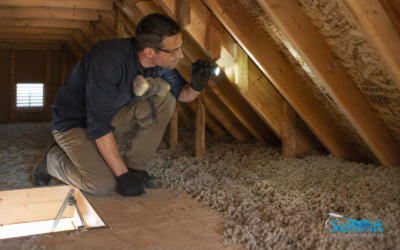
Traditional batt insulation can sag or absorb moisture when humidity rises. Once damp, it loses much of its insulating ability and may need replacement.
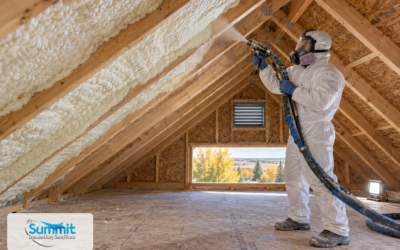
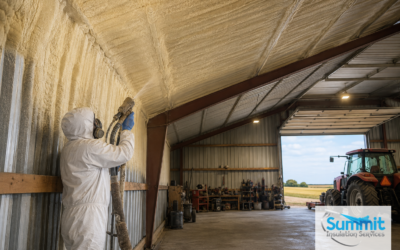
Spray foam insulation, on the other hand, adheres directly to surfaces and creates both thermal protection and an air barrier. That air seal helps limit the amount of warm, moist air entering the crawl space during spring thaw.
For homes in Gretna, where freeze–thaw cycles are common, having insulation that resists shifting temperatures is especially important.
Crawl Space Warning Signs to Watch For
Spring is a good time to check for early signs of crawl space trouble.
You may notice musty odours inside your home. Floors might feel damp or unusually cold. Energy bills can rise if insulation performance drops.
In more advanced cases, homeowners see visible condensation, wood staining, or mould growth beneath the home.
Addressing these concerns early can prevent more expensive repairs later.
The Importance of Air Sealing
Moisture problems in crawl spaces are often tied to uncontrolled airflow.
When outside air enters freely, it brings humidity that can settle in cool areas. Proper air sealing helps limit that exchange and stabilize conditions beneath your home.
Spray foam insulation is commonly used in crawl spaces in Manitoba because it expands into cracks and rim joist areas, reducing air leakage while adding insulation value.
For many homeowners, improving crawl space insulation is about protecting the entire home from the ground up.
Planning Ahead for Gretna Homes
Spring melt is predictable in Manitoba.
That makes it an ideal time to assess whether your insulation system is prepared for seasonal moisture.
Homes in Gretna face unique prairie conditions, including strong winds, heavy snow accumulation, and rapid thaw cycles. Insulation that performs well in winter must also handle increased humidity in spring.
If your crawl space has older insulation, visible gaps, or signs of moisture, it may be time for an evaluation.
Proper insulation and air sealing help support energy efficiency, indoor comfort, and long-term durability.
For homeowners considering upgrades, spray foam insulation is one option designed to handle Manitoba’s changing seasons.
Call us today to get answers to all your questions about spray foam insulation in Gretna and the services we provide local homeowners and businesses.