When you start planning upgrades for your home, insulation often comes up as one of the smartest investments. Still, the industry is full of technical terms that may sound confusing if you are hearing them for the first time.
What does R-Value mean? How is a vapour barrier different from an air barrier? And why do contractors talk about thermal bridging?
At Summit Insulation Services, we know how important it is for homeowners in Gretna and across Canada to feel confident in their decisions. A solid understanding of insulation terms gives you the ability to ask the right questions and choose the right products. That confidence leads to better comfort, lower energy bills, and protection for your home in every season.
To make things easier, we have put together a handy glossary of common insulation terminology. Whether you are considering spray foam, batts, or blown-in options, these definitions will give you the strong foundation you’re looking for.
Air Barrier
An air barrier prevents uncontrolled air leaks into or out of your home. Without it, you may face drafts, higher energy bills, and moisture issues.
Air Infiltration
Air infiltration means outdoor air slips inside through cracks or joints. Proper sealing keeps your indoor spaces comfortable and reduces wasted energy.
Batt Insulation
Batt insulation comes in pre-cut panels or rolls, often made of fibreglass or mineral wool. It fits neatly between wall studs and ceiling joists. To work well, it must be installed without gaps or compression.
Blown-in Insulation
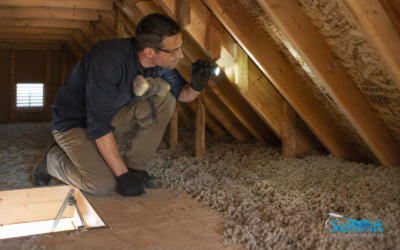
This type of insulation uses loose fibres or granules that are blown into place with special equipment. It fills cavities and wraps around pipes or wires, which makes it popular for attics and retrofit projects.
Closed-Cell Foam
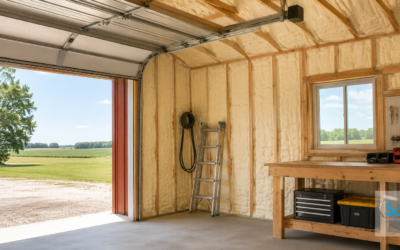
Closed-cell spray foam contains sealed cells that resist water absorption. It offers very high R-Value per inch and adds structural strength to walls.
Open-Cell Foam
Open-cell spray foam has lighter, spongy cells that allow air movement within the material. It provides strong sound dampening and insulation, though it can absorb more moisture than closed-cell foam.
R-Value
R-value measures a material’s resistance to heat flow. Higher values provide better thermal performance, which is especially important in cold Manitoba winters.
Thermal Bridging
This happens when heat passes through materials that conduct energy more easily than surrounding insulation, such as metal or wood studs. It creates weak spots that reduce the overall performance of your insulation.
Thermal Conductivity
This term describes how quickly heat travels through a material. A lower thermal conductivity means better insulation ability.
U-Value
U-Value measures how well a building component (like a wall, window, or roof) conducts heat. Lower U-Values mean better insulation.
Vapour Barrier
A vapour barrier stops moisture from moving through walls, ceilings, or floors. Without it, condensation can build up inside your structure and cause mould or rot.
Ready to improve your home’s insulation or still have questions? Contact Summit Insulation Services today. Our team is here to walk you through the options, recommend the best solutions for your property, and get you ready for any season!