Manitoba winters mean months of keeping the cold out and the heat in. Windows stay closed, doors are sealed, and the building envelope works hard to maintain a liveable interior temperature.
That level of sealing is entirely necessary in a climate where temperatures regularly drop below -20°C, but it comes with a consideration that many homeowners don’t think about until there’s a problem.
When a home is sealed tightly for months at a time, the quality of the air inside it is determined almost entirely by what the building allows in and what it traps.
How Insulation Affects the Air You Breathe
Insulation’s connection to indoor air quality isn’t always obvious, but it operates through a few specific pathways that are worth understanding.
The first is moisture.
In Prairie homes, the temperature difference between the heated interior and the cold exterior creates conditions where moisture-laden warm air moves toward cooler surfaces.
When that air reaches a cold enough surface, it condenses. In a poorly insulated or improperly sealed home, that condensation happens inside wall cavities, in attic spaces, and along rim joists where insulation coverage is thin.
Condensation that accumulates over a heating season creates conditions where mould can develop in areas that are completely out of sight. That mould doesn’t stay contained.
Spores move through the air inside the home, contributing to respiratory irritation, allergy symptoms, and declining air quality in the living spaces above.
The second pathway is air infiltration.
Gaps in the building envelope don’t just let heat out. They let unfiltered outside air in, along with whatever it carries.
In rural Manitoba, that can include dust, agricultural particulates, and in older homes, disturbed insulation fibres from degraded materials inside wall or attic cavities.
The Role of Air Sealing Alongside Insulation
Insulation and air sealing work together rather than independently, and understanding that relationship matters for indoor air quality.
Insulation slows the movement of heat through building materials. Air sealing addresses gaps, cracks, and penetrations through which air can move, regardless of insulation coverage.
A home that’s insulated but not properly sealed still allows significant air movement, which brings moisture, particulates, and outdoor air into the building envelope.
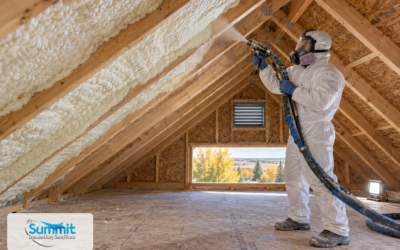
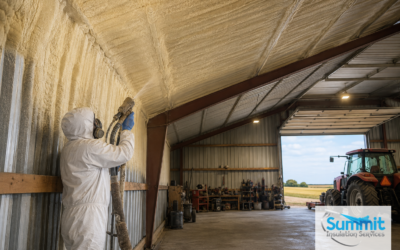
Spray foam insulation addresses both functions simultaneously. Its expanding application fills gaps and cracks as it creates a thermal barrier.
This makes it particularly well-suited to the cold Prairie climate, where both heat retention and air control are priorities across a long heating season.
3 Signs That Air Quality May Be Affected
- Persistent musty odours in rooms that are otherwise clean and well-maintained often indicate moisture accumulation somewhere in the building envelope.
- Condensation on interior window surfaces throughout the winter can signal that humidity levels inside the home are higher than they should be, which in turn suggests moisture is not being adequately controlled.
- Increased allergy or respiratory symptoms during the winter months, particularly in a home that has been recently assessed for other health concerns, are worth discussing with a professional who can evaluate the building envelope alongside the air quality.
Get Started on Insulation That Supports a Healthier Home
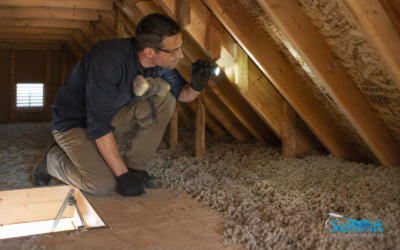
A professional insulation assessment evaluates coverage, air sealing, and moisture control together rather than in isolation.
For Prairie homeowners heading out of heating season, spring is a practical time to identify where the building envelope is underperforming and address it before the next long winter begins.
Ready for a change? Contact us today so we can come up with a plan for upgrading your insulation.