September is a useful month to pay attention to your home. The air is cooler, the furnace may run on some mornings, and small drafts become easier to notice before winter settles across Southern Manitoba. Those early clues can point to gaps in the building envelope that make rooms uncomfortable and allow heated air to escape.
A quick walk-through will not replace a professional assessment, but it can help you identify where to look. Here are seven areas worth checking in homes around Gretna, Altona, Winkler, Morden, Morris, Emerson, and the surrounding region.
Why Air Leaks Matter Before Winter
Insulation slows heat flow. Air sealing controls the movement of air through cracks, seams, and penetrations. A home can have plenty of insulation and still feel drafty if air is moving around or through it.
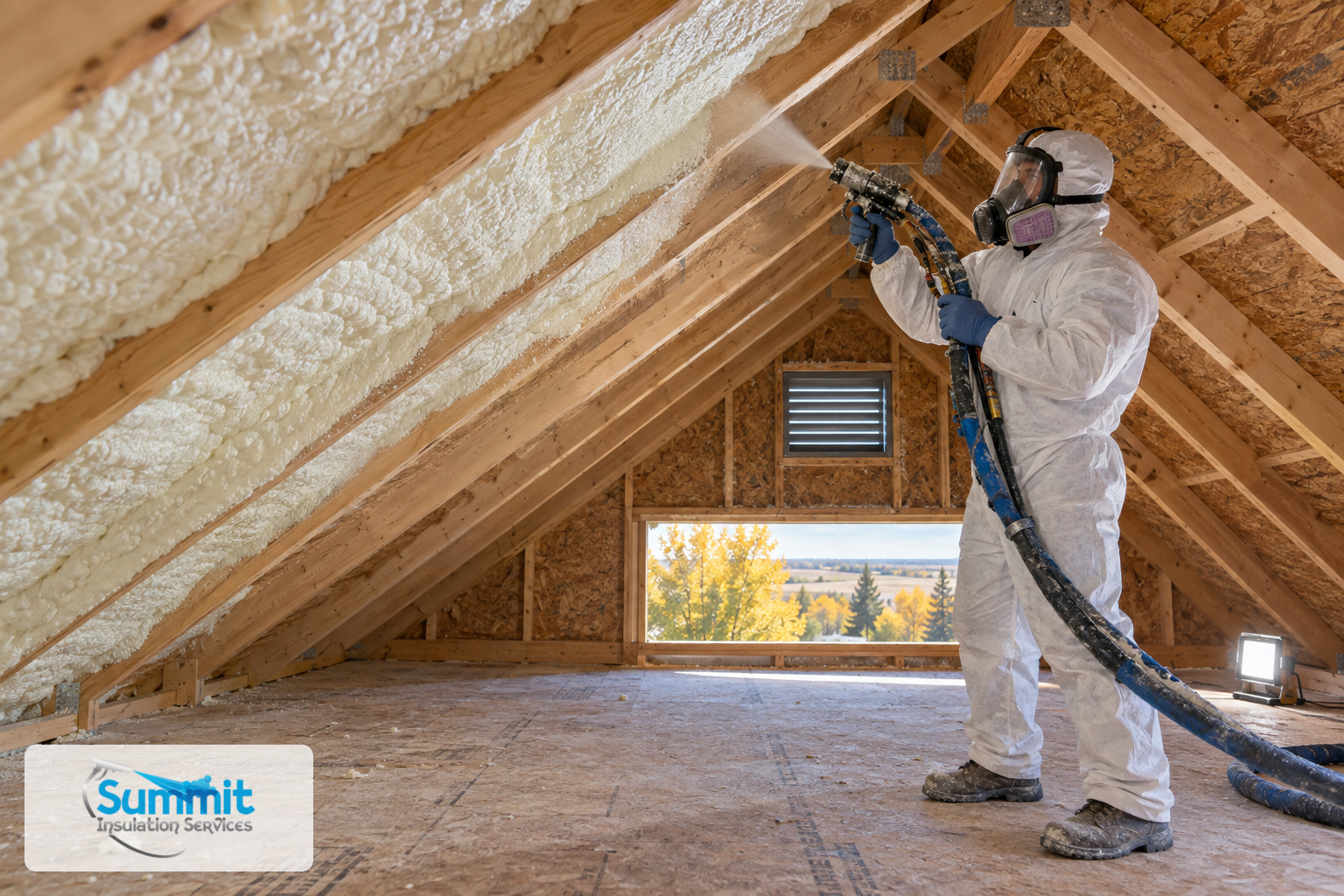
Spray foam insulation can be useful because it expands to fit irregular spaces and can provide insulation and air sealing in one application. The right product and location depend on the building assembly, moisture conditions, access, and how the space is used.
1. Attic Penetrations and Roofline
Warm indoor air naturally looks for paths upward. Plumbing stacks, wiring holes, exhaust ducts, light fixtures, and framing joints can create small openings into the attic. Individually, these gaps may not look serious. Together, they can contribute to noticeable heat loss and uneven indoor temperatures.
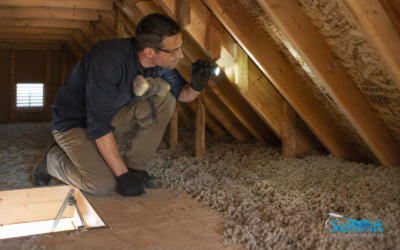
From a safe access point, look for disturbed insulation, visible gaps, or dusty marks that may indicate air movement. Do not cover electrical fixtures or heat-producing equipment without confirming the correct clearance and assembly.
2. The Attic Hatch
An attic hatch is a large break in an otherwise insulated ceiling. If it is thin, uninsulated, or missing a continuous gasket, it can leak air around its edges. On a cool day, stand below the closed hatch and check for a draft. Staining or frost during winter can also point to warm, moist air reaching the attic.
The solution may involve weather-stripping, a better-insulated hatch, or air sealing around the framed opening. The goal is a lid that closes securely without blocking required access.
3. Rim Joists and Sill Plates
At the top of the basement wall, the rim joist connects the foundation to the wood-framed floor system. This area includes seams, corners, and service penetrations that are difficult to seal with rigid materials or loosely fitted batts.
Check for cold air, cobwebs moving near gaps, condensation marks, or visible daylight. Closed-cell spray foam is often considered for rim joists because it can conform to the shape of each cavity while helping limit both air movement and moisture migration. Existing water entry or damaged wood should be addressed first.
4. Basement and Crawl Space Transitions
Air can enter where foundation walls meet floor framing, around basement windows, and at plumbing or utility openings. Crawl spaces add another set of transitions between soil, foundation, and the occupied rooms above.
Cold floors, musty odours, or a basement that changes temperature quickly may justify a closer look. Insulation must be planned together with drainage, moisture management, and ventilation; spray foam should not be used to hide an active leak.
5. Additions, Bay Windows, and Cantilevered Floors
Renovations and projecting floors often contain awkward cavities that are hard to fill consistently. An addition may also connect new framing to an older wall in a way that leaves a hidden air path.
Pay attention to floors that feel colder near an exterior projection or to rooms that behave differently from the rest of the house. Spray foam can fit complex shapes, but an installer should first confirm how the cavity can dry and whether any repairs are needed.
6. Plumbing, Wiring, and Mechanical Openings
Pipes, cables, vents, and conduits pass through walls and floors throughout a home. Gaps around these services can link conditioned rooms to an attic, basement, garage, or outdoors.
Look beneath sinks on exterior walls, behind accessible utility panels, and around service entries. Some openings require fire-rated materials or specific clearances, so this is an area where the assembly matters as much as the size of the gap.
7. The Wall Between the House and Attached Garage
An attached garage should be separated carefully from the living space. Gaps around framing and service penetrations can affect comfort and may allow garage air to move toward the home.
If rooms beside or above the garage are consistently cold, the shared wall or ceiling deserves attention. A professional can assess insulation continuity, air sealing, and any fire-separation requirements before recommending a repair.
Turn Your September Notes Into a Practical Plan
Write down where you feel drafts, where temperatures vary, and whether you have seen condensation, staining, or past water entry. Photos can help document hard-to-reach areas. A focused list makes it easier to decide which repairs should happen before insulation work begins.
Summit Insulation Services provides spray foam insulation for residential, commercial, and agricultural properties from Gretna to nearby Southern Manitoba communities. Contact the team to discuss the trouble spots in your home and request a project quote before colder weather arrives.