If the upstairs rooms in your Gretna home feel warmer than the main floor as soon as summer arrives, you are not imagining it. Upper levels often take the hardest hit from solar heat, attic temperatures, and air leaks around the roofline. Even when the air conditioner is running, bedrooms, bonus rooms, and finished attic spaces can feel stuffy or uneven because the home is fighting heat from above.
Spray foam insulation can help by addressing two issues at once: heat transfer and uncontrolled air movement. For Manitoba homeowners, that combination matters in both directions. In winter, it helps limit heat loss. In summer, it can help reduce the amount of attic and roofline heat pushing into the living space below.
Why Upstairs Rooms Heat Up First
Upper floors are exposed to more direct roof heat than lower levels. On a sunny July afternoon, roofing materials and attic spaces can become much warmer than the outdoor air. If the insulation between that hot space and the living area is thin, uneven, compressed, or poorly sealed, heat can move into bedrooms and finished upper-level rooms quickly.
Air leakage adds another layer to the problem. Small openings around attic hatches, wiring, plumbing, framing gaps, knee walls, pot lights, and transitions between rooflines can allow hot attic air to move where it should not. Traditional insulation may slow heat transfer, but it does not always stop air from moving through gaps. That is one reason a room can feel hot even when the insulation level looks acceptable at first glance.
The Manitoba Summer Comfort Problem
Gretna homeowners usually think about insulation in relation to winter, and for good reason. Prairie winters are demanding. But summer performance matters too. Southern Manitoba homes deal with long sunny days, temperature swings, wind, and periods of humidity. A home that is leaky or under-insulated at the roofline may be difficult to cool evenly, especially on the second floor.
When upstairs rooms stay warm, homeowners often lower the thermostat to compensate. That can make the main floor too cold while the upper floor still lags behind. The result is less comfort, more strain on cooling equipment, and a home that never feels balanced. Improving the building envelope can help reduce that tug-of-war.
How Spray Foam Helps at the Attic and Roofline
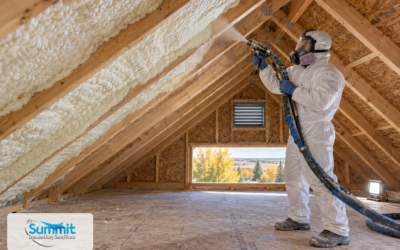
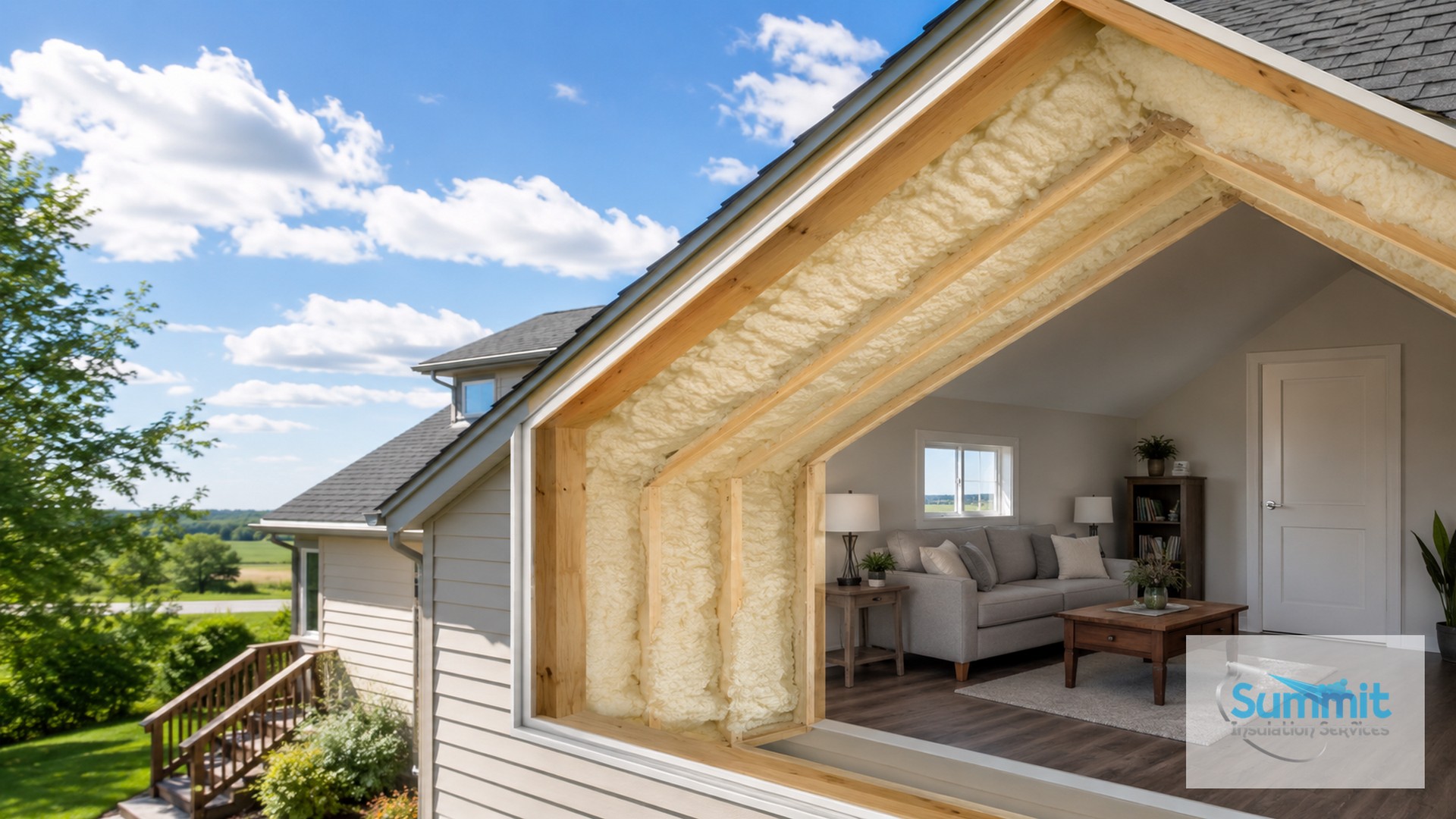
Spray foam insulation expands after application, which allows it to fill gaps, cracks, and irregular spaces that are difficult to address with some traditional insulation products. In the right application, that makes it useful for areas where heat and air movement are closely connected.
For hot upstairs rooms, the most important benefit is often air sealing. By sealing small pathways around framing and penetrations, spray foam can help limit the movement of hot attic air into conditioned areas. It also adds thermal resistance, helping slow heat transfer through roofline and attic assemblies.
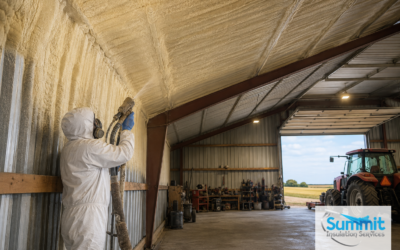
Closed-cell spray foam is dense and rigid, and Summit Insulation Services notes that it is commonly used where moisture resistance, energy efficiency, and long-term performance are priorities. Open-cell spray foam is lighter and more flexible, and may be useful in certain hard-to-reach spaces or sound-control applications. The right choice depends on the home, the assembly, and the goal of the project.
Common Areas to Check in a Gretna Home
Not every hot upstairs room has the same cause. Before choosing an insulation upgrade, it helps to understand where the weak points are likely to be. In many homes, problem areas include:
- Attic hatches that are not sealed well
- Knee walls beside finished upper-level rooms
- Sloped ceilings under the roof deck
- Rim joists and wall-to-roof transitions
- Gaps around electrical, plumbing, and ventilation penetrations
- Older insulation that has settled, shifted, or been disturbed
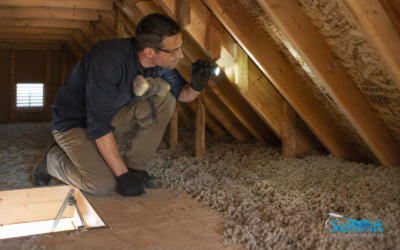
These areas are easy to overlook because they are often hidden behind drywall, stored items, or tight attic access points. A professional assessment can help determine whether the issue is missing insulation, air leakage, ventilation, moisture risk, or a combination of factors.
Spray Foam Is Not Just a Winter Upgrade
Many homeowners wait until fall to think about insulation, but summer comfort complaints are useful clues. If one bedroom is difficult to cool, if the upper floor feels stuffy after sunny days, or if the air conditioner runs often without solving the problem, the attic and roofline deserve attention.
Addressing these issues in summer can also make the home better prepared for the next heating season. The same air leaks that let hot attic air affect comfort in July can also contribute to heat loss, drafts, and uneven temperatures in January. A well-planned insulation upgrade supports year-round comfort rather than solving only one seasonal problem.
When to Call an Insulation Professional
Some signs are worth a closer look. Homeowners in Gretna and the surrounding area may want to schedule an insulation assessment if they notice:
- Upstairs rooms that stay warm even when the main floor is comfortable
- High cooling demand during hot weather
- Drafts or temperature swings near attic access points
- Finished attic rooms that feel uncomfortable in more than one season
- Visible gaps, thin insulation, or disturbed insulation in accessible attic areas
- Moisture stains, condensation concerns, or musty odours near upper-level spaces
Spray foam can be a strong option, but it should be matched to the building. Ventilation, existing insulation, moisture conditions, and access all affect the right approach. A local insulation contractor can help identify where spray foam makes sense and where another strategy may be needed first.
A More Comfortable Upstairs Starts With the Building Envelope
If your upstairs rooms are uncomfortable every summer, the solution may not be a bigger air conditioner or a lower thermostat setting. The issue may be the way heat and air are moving through the attic, roofline, and hidden gaps in the building envelope.
Summit Insulation Services provides residential spray foam insulation in Gretna, Manitoba and nearby communities, with options for both open-cell and closed-cell spray foam. If your home is hard to cool upstairs, a professional assessment can help you understand whether attic or roofline spray foam insulation is the right next step for improving comfort, efficiency, and seasonal performance.
Internal Publishing Notes
- Format as a standard SEO blog post with the image near the top of the article.
- Natural URL slug suggestion: spray-foam-insulation-hot-upstairs-rooms-gretna
- Company grounding: Summit Insulation Services is based in Gretna, MB and provides residential spray foam insulation, including open-cell and closed-cell spray foam.